You know the feeling. The engine picks up, the revs rise, and the scooter does not drive forward as hard as it should. If you are asking why Lambretta clutch keeps slipping, the answer is rarely mysterious - but it does need a proper clutch-side inspection rather than guesswork.
On a Lambretta, clutch slip is usually caused by a handful of known faults: worn friction plates, weak springs, incorrect oil, poor clutch adjustment, a notched basket, or heat-related problems that show up once the engine is under load. The trick is working through them in the right order. Replacing random parts can get expensive and still leave the same fault in place.
Why Lambretta clutch keeps slipping under load
A clutch can feel acceptable at idle or in light traffic, then start slipping badly when you open it up in third or fourth. That is because the clutch only shows its real condition when torque rises. A mildly worn pack may still pull away cleanly, but once the engine is making proper power, clamp force and friction material matter far more.
The most common cause is simple wear. Friction plates glaze, cork or friction material hardens with age, and plain plates can warp from heat. Once that happens, the clutch pack loses bite. On a standard scooter this might come on gradually. On a tuned engine, it can show up very quickly because the clutch is being asked to hold more than the original setup was designed for.
Springs are next on the list. Weak or tired springs reduce the pressure holding the clutch pack together. Some scooters still have old springs that look serviceable but have lost enough tension to cause slip. Equally, mixing parts can create trouble. A stronger top end or exhaust paired with a tired standard clutch often ends with slip, especially in higher gears.
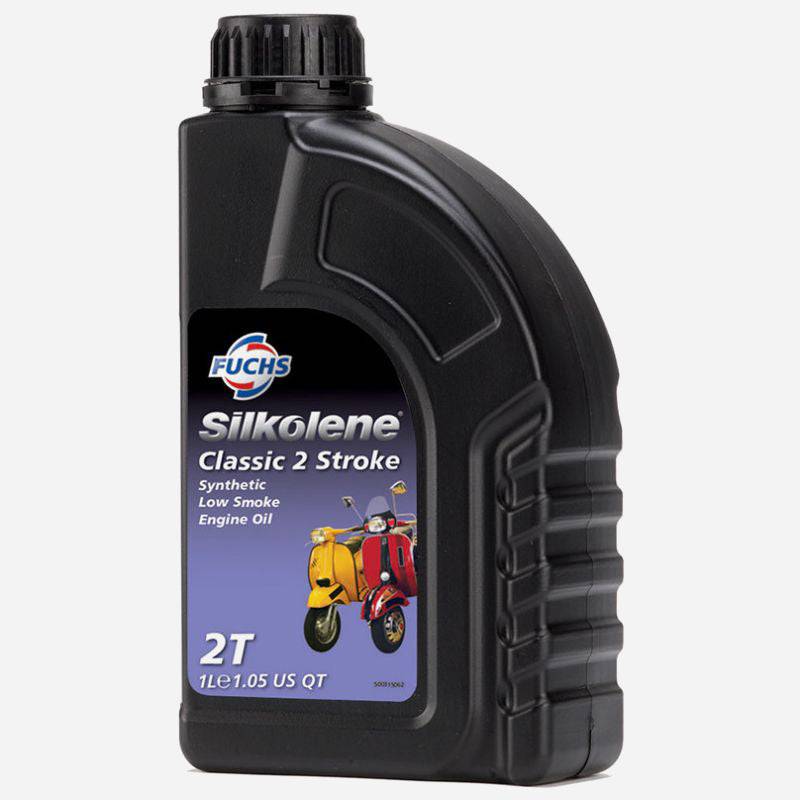
Oil choice also matters more than many owners expect. If the gearbox oil is too slippery for the plate material, the clutch may never grip properly. Overfilling can make things worse as well. On classic scooters, using the right oil type and quantity is part of clutch setup, not an afterthought.
Start with the easy checks before stripping the clutch
Before you pull the side casing apart, check cable adjustment. Too little free play at the lever can leave the clutch slightly lifted all the time. It does not take much. A cable adjusted too tight, a sticky inner cable, or an arm that is not returning fully can all mimic a worn-out clutch.
Look at the lever feel as well. If the action is unusually tight, inconsistent, or slow to return, the problem may be in the cable run, outer seating, or operating mechanism rather than the clutch pack itself. A badly routed or frayed cable can hold tension where it should not.
If the scooter has recently had work done, think about what changed. Fresh plates soaked in the wrong oil, mismatched steels and frictions, an incorrectly assembled pressure plate, or a missing shim can all introduce slip straight after a rebuild. If the clutch slipped before and still slips after a parts swap, that usually points to setup or assembly rather than one single failed component.
Oil problems are one of the biggest causes
Ask any Lambretta mechanic why a clutch starts slipping after a service, and oil is near the top of the list. Some modern oils contain friction modifiers that do the clutch no favours. The scooter may feel smoother, but the clutch starts losing grip once it gets warm.
Too much oil can also contribute. The clutch does need lubrication and cooling, but an overfilled case can increase drag and affect how the plates behave. If the scooter has been standing, contaminated oil is another possibility. Fuel ingress or degraded oil can change clutch behaviour more than expected.
This is one of the areas where there is no point taking chances. Use the correct grade and the correct quantity for the engine and clutch setup. If you are troubleshooting, changing the oil to a known suitable specification is a sensible early step because it removes one major variable.
Plate wear, glazing and heat damage
When you remove the clutch, inspect every plate, not just the friction material. A friction plate can look usable at first glance but still be glazed and ineffective. Shiny, hardened surfaces are a bad sign. If the plain plates are blue, warped or uneven, the clutch will struggle to engage cleanly and hold properly.
Plate stack height matters too. If the pack is too thin through wear, spring pressure drops. If it is built incorrectly, the clutch may drag or slip depending on how the parts sit under compression. This is especially relevant where aftermarket kits are mixed with older original components.
Heat is often the hidden part of the story. A clutch that has slipped repeatedly will generate more heat, and that heat then damages the plates further. Once the pack has been cooked, simply adjusting the cable will not put it right.
Why tuned Lambrettas slip more often
A tuned Lambretta exposes any weakness in the clutch straight away. More power means more demand on the friction pack, springs, centre, crown wheel and basket. What works on a mild standard engine may be completely out of its depth on a fast-road or race build.
That does not automatically mean you need the heaviest clutch possible. Go too stiff and the lever feel becomes unpleasant, cables suffer, and everyday riding gets worse. The right setup depends on engine output, riding style and how the scooter is used. A town bike and a motorway cruiser will not always want the same clutch arrangement.
Basket, centre and pressure plate wear
Not all clutch slip comes from the plates. A notched basket can stop the plates moving freely and engaging evenly. Wear on the clutch centre splines can create poor contact and inconsistent operation. A pressure plate that is damaged or sitting unevenly can also reduce clamp force across the pack.
These faults are easy to miss if you only replace friction plates. When inspecting the clutch, look for grooves where the plate tabs contact the basket, signs of hammering on the centre, and any distortion on the pressure components. If the hard parts are worn, a fresh set of plates may improve things briefly but will not cure the underlying issue.
Clutch slip after a rebuild
If the problem started immediately after engine work, go back through the assembly method step by step. Was the clutch compressed properly during build? Were all plates fitted in the correct order? Was the top plate seated correctly? Was the clutch arm adjusted after installation rather than before?
It is also worth checking whether the chosen parts actually belong together. Lambretta clutches have enough variations in design and aftermarket options that mixing components without checking compatibility can cause real problems. A spring set that is fine with one pack thickness may be wrong with another. A pressure plate suited to one clutch type may not behave properly with a different basket or centre.
This is where buying from a specialist parts supplier helps. Correct fitment matters as much as part quality.
A sensible fault-finding order
If you want to fix clutch slip without wasting time, work from outside to inside. First confirm proper cable free play and smooth operation. Then check oil type and oil level. If the fault remains, strip the clutch and inspect plates, springs and stack condition. After that, assess the basket, centre and pressure plate for wear or damage.
That order saves money because external adjustment and oil issues are cheaper to put right than replacing a full clutch assembly. It also prevents the common mistake of fitting new plates into a worn clutch basket and wondering why the slip comes back.
When replacement is the better option
Sometimes inspection shows that patching individual items is false economy. If the friction plates are worn, springs are tired, and the basket is notched, a full refresh makes more sense than piecemeal repair. The same applies on engines that have been uprated. If power has increased, the clutch should be matched to the build rather than kept on borrowed time.
For regular road use, reliability usually beats chasing the cheapest possible fix. A properly matched clutch setup gives better take-up, more consistent drive and less chance of roadside trouble.
Why the fault keeps coming back
If a Lambretta clutch keeps slipping after repeated fixes, one of two things is usually happening. Either the root cause has not been identified, or the clutch specification is not suitable for the engine. Owners often replace the obvious wear parts while leaving a bad oil choice, incorrect adjustment or worn basket in place. Equally, a tuned engine can simply overpower a standard-style clutch however many times it is rebuilt.
The answer is to treat the clutch as a system. Plates, springs, oil, basket condition, cable adjustment and engine output all interact. Get one part wrong and the rest have to compensate.
When a Lambretta clutch is set up properly, it should engage cleanly, hold under load and stay predictable in traffic as well as on a longer run. If yours does not, the fault is usually there to be found with a methodical check and the right model-specific parts. Better to sort it properly once than keep nursing a clutch that has already told you it is finished.